Hey there! As a diaphragm pump supplier, I often get asked, "Is it necessary to use a buffer tank with a diaphragm pump?" Today, I’m gonna dive deep into this question and share with you all the ins and outs. Diaphragm Pump
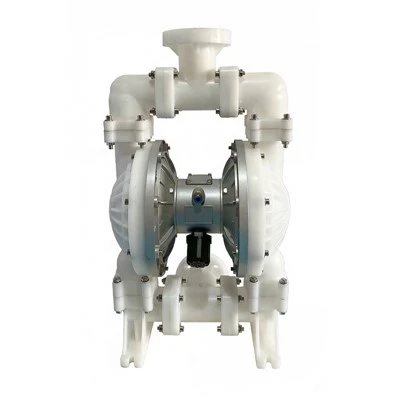
First off, let’s quickly talk about diaphragm pumps. These pumps are pretty awesome. They work by using a flexible diaphragm that moves back and forth, creating a vacuum to draw in fluid and then pushing it out. They’re widely used in many industries ’cause they’re versatile, can handle different types of fluids, and are generally pretty reliable.
Now, let’s get into the buffer tank thing. A buffer tank is basically a storage tank that smooths out the flow of fluid from the pump. It acts as a kind of middleman between the pump and the rest of the system.
One of the main reasons people use buffer tanks with diaphragm pumps is to reduce pulsation. Diaphragm pumps can create pulsating flow, which means the fluid doesn’t come out in a nice, steady stream. It kind of jerks out in little bursts. This pulsation can cause a few problems. For one, it can put extra stress on the pipes and fittings in the system. Over time, this stress can lead to leaks or even pipe failures. And let’s be real, dealing with pipe leaks is no fun at all. It can cause messes, waste product, and even result in costly repairs.
A buffer tank helps to dampen these pulsations. When the pump pushes fluid into the buffer tank, the tank absorbs the sudden spikes in pressure. Then, as the tank releases the fluid, it comes out in a more consistent flow. This reduces the stress on the entire system and can really extend the lifespan of your pipes and equipment.
Another benefit of using a buffer tank is that it can provide a more stable pressure. In some systems, a consistent pressure is super important. For example, in a chemical dosing system, you need to get the right amount of chemical into the process at the right pressure. If the pressure is all over the place due to the pump’s pulsations, it can mess up the dosing and affect the quality of the end product. The buffer tank helps to keep the pressure steady, so you can get more accurate dosing and better results.
But here’s the thing, using a buffer tank isn’t always necessary. It depends on a few factors. First, it depends on the application. If you’re using the diaphragm pump in a system where pulsation and pressure fluctuations aren’t a big deal, you might not need a buffer tank. For example, if you’re just using the pump to transfer water from one open tank to another, and you don’t have any sensitive equipment downstream that could be affected by pulsation, a buffer tank might be overkill.
The size of the system also matters. In a small system with short pipes, the effects of pulsation might be minimal. The pipes themselves might act a little bit like a buffer and absorb some of the pressure changes. In this case, again, you might not need a separate buffer tank.
The type of fluid you’re pumping is another factor. Some fluids are more viscous or have particles in them. These fluids can be more resistant to flow changes, so the pulsations from the diaphragm pump might not have as big of an impact. On the other hand, if you’re pumping a very thin or volatile fluid, the pulsations could cause more problems, and a buffer tank might be a good idea.
Let’s talk about the cost. Adding a buffer tank to your system means more upfront cost. You’ve got to buy the tank itself, and then there’s the cost of installation. You might also need to do some additional plumbing to connect the tank to the pump and the rest of the system. And there’s the ongoing maintenance. You’ll need to make sure the tank is clean and free of any debris that could clog it up. So, you’ve got to weigh the cost of the buffer tank against the benefits it provides.
If you’re still not sure whether you need a buffer tank for your diaphragm pump, here’s what you can do. First, assess your system. Think about the application, the size of the pipes, and the type of fluid you’re pumping. If you’re dealing with a critical process where pulsation and pressure stability are important, it’s probably a good idea to go for the buffer tank.
You can also consult with an expert. Here at our diaphragm pump supplier business, we’ve got a lot of experience with different types of applications. Our team can take a look at your specific situation and give you some personalized advice. We can help you figure out if a buffer tank is necessary and, if so, what size and type would work best for you.
In conclusion, while using a buffer tank with a diaphragm pump isn’t always necessary, it can offer some significant benefits in many cases. It can reduce pulsation, provide a more stable pressure, and extend the lifespan of your system. But it all comes down to your specific application and requirements.
So, if you’re in the market for a diaphragm pump or you’re thinking about upgrading your existing system, don’t hesitate to reach out. We’re here to answer all your questions and help you make the right decision for your business. Whether you need a buffer tank or not, we’ve got a wide range of high – quality diaphragm pumps that can meet your needs. Just start a conversation with us to discuss your specific requirements and get a tailor – made solution.
Gear Pump References
- Pump Handbook by Igor J. Karassik, Joseph P. Messina, Paul Cooper, Charles C. Heald
- Chemical Engineering Fluid Mechanics by Ron Darby
Botou Hengyang Pump & Valve Co., Ltd.
With abundant experience, we are one of the most professional diaphragm pump manufacturers and suppliers in China. Please feel free to buy high standard diaphragm pump made in China here and get pricelist from our factory. All customized pumps are with high quality and competitive price.
Address: No. 159, Road 1, Development Zone, Botou City, Cangzhou, Hebei Province, China
E-mail: bthdbf@163.com
WebSite: https://www.hyoilp.com/
