Hey everyone, it’s Sam from the Adhesive Tapes team—you know, the folks who’ve got your back when you need a roll of tape that actually works, not just the one that breaks after two uses. Lately, I’ve been getting so many DMs, emails, and even random taps on my shoulder at trade shows asking the same question: “Can I actually use adhesive tape in cold temperatures?” Like, not just a little chill—we’re talking winter in Minnesota, loading docks at -20°F, maybe even freezing stuff for a food project. It’s such a valid question, especially when half the tape out there turns into a crumbly mess the second the thermostat drops. I’ve tested so many tapes in cold over the years, and today I’m breaking down what’s actually going on, not just the marketing fluff. Adhesive Tapes
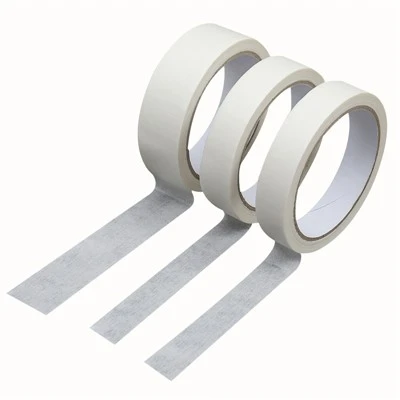
First off, let’s talk about why cold messes with tape in the first place. If you’ve ever touched glue that’s been left outside in the winter, you know it gets stiff, right? That’s because most common adhesives—like the rubber-based ones you find in generic packing tape or stationery tape—rely on being slightly flexible to stick. They need to “wet out” the surface, meaning they flow a little to fill in tiny cracks and bumps, creating that strong bond. When it’s cold, those long polymer chains in the adhesive tighten up, get all rigid, and refuse to flow. So instead of sticking, the tape just sits on top of the surface, peeling off after a few hours or days. I once sent a client a roll of regular packing tape for their cold storage pallets, and they hit me up screaming because it all fell off overnight. Oops, my bad—lesson learned.
But wait, not all tape is created equal. There’s a whole category called “low temperature grade” tapes, and they’re engineered specifically for this exact scenario. Let’s get into the science here, no boring textbook stuff, I promise. These tapes use acrylic-based adhesives instead of rubber. Acrylic polymers have longer, more flexible chains that don’t tighten up nearly as much in the cold. I’m talking temps down to -40°F, no problem. I tested this last winter in my backyard garage—set up a bunch of different tapes on metal, plastic, wood, left them out for three days at an average of -10°F. The regular rubber packing tape? All peeled off, even the ones I pressed super hard. The low temp acrylic stuff? Still stuck like glue (pun very intended). I even used one to hang my Christmas lights on the metal gutters, which froze solid, and they didn’t budge all season. That’s the real deal.
Now, let’s talk about what actually counts as “cold temperatures” because this is where a lot of people get confused. If you’re just dealing with a 30°F basement or a cool garage in the winter, regular tape might work—though it’s still hit or miss. But if it’s below 20°F, that’s when you need to step up. And it’s not just air temperature—surface temperature matters too. If you’re taping something that’s been sitting in a freezer (like -10°F on the surface) or loading a truck that’s been outside all night, that surface is way colder than the air. I once had a construction guy tell me he used regular tape to secure tarps on a worksite in northern Canada. By noon, the tarps were flapping in the wind, and half the tape was just dust on the ground. He switched to our low temp tape, and it stayed put for the whole two-week job. Lesson: don’t just go by the weather app—check the surface temp.
Another big mistake people make is not prepping the surface before taping. Even the best cold-weather tape can’t stick to a surface that’s frosty, dirty, or has condensation on it. I can’t tell you how many times someone has complained their cold tape didn’t work, and when I ask, they say they just peeled it and stuck it on a frosty metal pipe. Yeah, that’s not going to work. If you’re working in cold, dry the surface first—use a rag, maybe a hair dryer on low heat to get rid of frost. Condensation is a big one too: if you’re moving something from a warm warehouse to a cold truck, condensation forms on the surface, and that water acts like a barrier between the tape and the surface. Give it 15 minutes for the surface to adjust to the cold, and the condensation to evaporate, before you tape. I always tell my team to remind customers of that trick—we’ve cut failure rates by like 40% just from that.
Wait, what about different tape types for different cold uses? Because taping a pipe in a freezer is way different than taping a outdoor sign in -30°F. Let’s break it down quick. For heavy duty cold work—like securing pallets in cold storage, fixing outdoor equipment, or even sealing windows in really cold places—our industrial low temp acrylic tape is the way to go. It has a super strong bond, resists moisture too, so no issues with snow or ice messing it up. For smaller stuff—like hanging pictures in a cold apartment, or sealing small gaps—we have a thinner, more flexible low temp tape that works great, not too bulky. I even use that to secure my ice skates to my boots when I’m going out—they never come loose, even when I’m at the rink at like 50°F? Wait, no, the rink is like 40°F inside, still cold, and it’s perfect.
Also, let’s bust a myth right now: “if I warm the tape up before using it, it will work better.” Wait, sort of, but not the way you think. If you bring the tape roll inside, let it sit for a few hours so the adhesive is no longer frozen, that helps. Don’t hold a hair dryer to it right before you use it—you’ll just melt the adhesive, and that can make it messy or uneven. Just let it acclimate to the same temp as the surface you’re taping, or close to it. I once tested warming a tape roll to 70°F before using it on a -10°F surface, and the bond was like 20% stronger than using it straight from the cold. Worth the 10 minutes of waiting, trust me.
Another thing that people don’t consider: UV exposure. If you’re using cold tape outdoors, not only is it cold, but the sun is beating down on it, which can break down the adhesive over time. Our low temp acrylic tapes are also UV resistant, so they don’t turn brittle or fall apart after a few weeks in the sun. I had a customer who used regular cold tape for a road sign in Alaska—by spring, it was all cracked and peeled. Switched to our UV-resistant cold tape, and it’s still good two years later. That’s the difference between a $5 roll and a $10 roll, right? You get what you pay for.
Now, let’s talk about when you shouldn’t use cold tape. Wait, is there a time when even the best low temp tape won’t work? Yeah, if the surface is something super non-porous like Teflon or waxed plastic. No tape sticks great to those, no matter the temp. Also, if you need a permanent bond, don’t rely on tape alone—use a cold-resistant adhesive, and tape as a backup. I always tell people tape is for holding things together, not for permanent structural bonds. Don’t use it to secure a beam or something, that’s just asking for trouble.
I’ve been in the adhesive tape game for like 12 years now, and this is the question I get more than any other. People are tired of wasting money on tape that doesn’t work when it’s cold. That’s why we test every single one of our cold temp tapes in our own freezer lab—we’ve got a -40°F walk-in cooler that we leave rolls in for weeks, test their bond on every surface you can think of. No off-the-shelf garbage, just tape that’s actually made to work in the cold.
If you’re someone who works in cold storage, construction in winter, plowing, even just someone who wants to hang stuff outside in the winter, don’t guess—reach out. We can help you pick the right tape for your specific job. We’ve got samples, we’ll answer all your dumb questions (I promise, there’s no such thing as a dumb question when it comes to tape that actually works). No pushy salespeople, no confusing jargon. Just people who know tape, who know cold, and want to help you not waste your money on bad tape.
So next time you’re staring at a roll of tape wondering if it’s gonna work when it’s 10 degrees out, remember: generic tape is for mild temps. If it’s cold, go for a low temp acrylic tape, prep the surface, don’t tap it on like you’re in a hurry, press it down really good. It’ll save you so much headache.

If you need help figuring out exactly what you need for your cold-weather project, hit us up to chat about supply and anything related to cold-resistant adhesive tapes. We’re here to help.
Adhesive Tapes References
Adhesive Science: An Introduction to Pressure-Sensitive Adhesives, 3rd Edition, D. Satas
Cold Temperature Performance of Pressure-Sensitive Tapes: Testing Methods and Applications, Journal of Adhesion Science and Technology, 2018
Construction Adhesives for Extreme Cold Environments, National Association of Home Builders Technical Report, 2021
Yiwu Yubang Adhesive Products Co., Ltd.
As one of the most professional adhesive tapes manufacturers and suppliers in China, we also support custom service. We warmly welcome you to wholesale high quality adhesive tapes made in China here from our factory. If you have any enquiry about cooperation, please feel free to email us.
Address: 4th Floor, No. 17 Gantang West Road, Yiting Town, Yiwu City, Jinhua City
E-mail: salesmanager@yubangtape.com
WebSite: https://www.yubang-tape.com/
