Hey there! As a supplier of carbide threading inserts, I’ve seen firsthand how premature wear can cost businesses a fortune in terms of replacement and lost productivity. It’s a common headache, but don’t sweat it! I’m here to share some practical tips on how to prevent premature wear of carbide threading inserts. Carbide Threading Inserts
Understanding the Basics
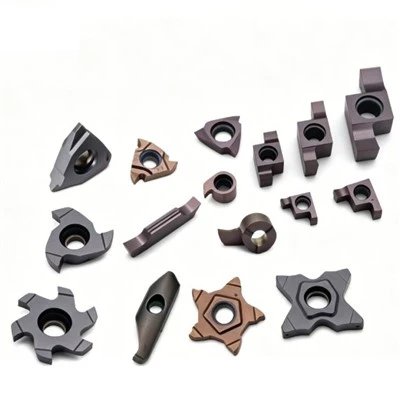
Before we dive into prevention, let’s quickly understand what carbide threading inserts are and why they’re so great. Carbide threading inserts are made from a super – hard material called tungsten carbide, which is known for its excellent hardness, wear resistance, and heat resistance. These inserts are used in metalworking to cut threads on all sorts of metal parts, from small bolts to big industrial components.
But here’s the deal: just because they’re tough doesn’t mean they’re indestructible. Premature wear can happen for a bunch of reasons, and if we can figure out what those are, we can take steps to stop it.
Choosing the Right Insert
The first step in preventing premature wear is picking the right insert for the job. You can’t just use any old insert and expect it to work well. There are different types of carbide threading inserts designed for different materials and cutting conditions.
For example, if you’re working with a soft metal like aluminum, you’ll want an insert with a sharp cutting edge. This helps to cut through the metal cleanly without causing too much friction. On the other hand, if you’re dealing with a hard metal like stainless steel, you’ll need an insert with a tougher coating to withstand the high cutting forces.
We offer a wide range of carbide threading inserts, and our team can help you choose the one that’s perfect for your specific application. Just give us a shout, and we’ll guide you through the selection process.
Proper Insert Installation
Once you’ve got the right insert, it’s crucial to install it correctly. A poorly installed insert can cause all sorts of problems, including premature wear.
Make sure the insert is properly seated in the toolholder. It should fit snugly without any play. Use the correct torque when tightening the clamping screws. If you overtighten them, you can damage the insert; if you undertighten, the insert might move during cutting, which will also lead to wear.
Also, check the alignment of the insert. It should be parallel to the workpiece axis. Any misalignment can result in uneven cutting forces, which will wear out the insert faster.
Optimizing Cutting Parameters
Cutting parameters like cutting speed, feed rate, and depth of cut play a huge role in insert wear. If you set these parameters too high, you’ll put too much stress on the insert, causing it to wear out quickly. If they’re too low, you won’t be getting the most out of the insert, and your productivity will suffer.
Let’s talk about cutting speed first. The cutting speed is how fast the insert moves through the metal. For most materials, there’s an optimal cutting speed range. If you’re using a high – speed steel cutter, you might be able to get away with a lower speed, but carbide inserts can handle higher speeds. However, you still need to find the sweet spot for the specific material you’re working with.
Next is the feed rate, which is how fast the insert advances into the workpiece. A higher feed rate can increase productivity, but it also puts more stress on the insert. You need to balance the feed rate to get the best results.
Finally, the depth of cut. A deeper cut can remove more material at once, but it also requires more cutting force. If you take too deep a cut, the insert can overheat and wear out prematurely.
We can provide you with some general guidelines on cutting parameters, but it’s also a good idea to do some testing in your own shop to find the best settings for your specific setup.
Using the Right Coolant
Coolant is like a magic potion for your carbide threading inserts. It helps to reduce friction, lower cutting temperatures, and remove chips from the cutting area. All of these things can significantly extend the life of your inserts.
There are different types of coolants available, such as water – based coolants and oil – based coolants. Water – based coolants are great for general purpose machining because they’re good at dissipating heat. Oil – based coolants, on the other hand, provide better lubrication, which can be helpful when cutting tough materials.
Make sure you’re using the right coolant for your application and that you’re applying it correctly. The coolant should be directed at the cutting edge of the insert to have the maximum effect.
Regular Maintenance and Inspection
Just like you take your car in for regular check – ups, you need to give your carbide threading inserts some TLC too. Regular maintenance and inspection can help you catch any problems before they turn into big issues.
After each use, clean the inserts thoroughly to remove any chips and debris. You can use a soft brush and some cleaning solution to do this. Also, inspect the inserts for any signs of wear or damage, such as chipping or cracking. If you notice any problems, it’s time to replace the insert or make some adjustments to your cutting process.
It’s also a good idea to keep a record of the insert’s performance. Note down things like how long it lasts, how well it cuts, and any issues you encounter. This can help you identify trends and make improvements over time.
Staff Training
Your employees are the ones using the carbide threading inserts on a daily basis, so it’s important to give them the proper training. Make sure they understand how to choose the right insert, install it correctly, set the cutting parameters, and use the coolant.
Training can also help your staff recognize the signs of premature wear and take appropriate action. For example, if they notice that the insert is starting to wear unevenly, they should know to stop and check the cutting parameters or the alignment of the insert.
We can offer training sessions for your staff to make sure they’re getting the most out of our carbide threading inserts. Just let us know if you’re interested.
Conclusion
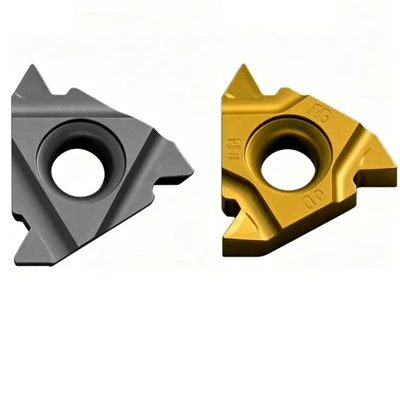
Preventing premature wear of carbide threading inserts isn’t rocket science, but it does require a little bit of knowledge and attention to detail. By choosing the right insert, installing it correctly, optimizing the cutting parameters, using the right coolant, doing regular maintenance and inspection, and providing staff training, you can significantly extend the life of your inserts and save a lot of money in the long run.
Machine Tool Accessories If you have any questions about our carbide threading inserts or need help with preventing premature wear, don’t hesitate to reach out. We’re here to support you and help you get the best performance from your cutting tools. Whether you’re a small machine shop or a large manufacturing company, we have the solutions you need. Let’s start a conversation and see how we can work together to improve your operations.
References
- "Metal Cutting Handbook" – A comprehensive guide on cutting tools and machining processes.
- Technical papers from carbide insert manufacturers on insert wear and performance.
- Industry magazines focusing on metalworking and cutting tool technology.
Shun Wei Precision Technology Co., Ltd.
With abundant experience, we are one of the most reliable carbide threading inserts manufacturers and suppliers in China. We warmly welcome you to buy durable carbide threading inserts at competitive price from our factory. If you have any enquiry about cooperation, please feel free to email us.
Address: Room901, Building2, Yijing Apartment, Northeast side of the intersection of Central Avenue and East Fifth Road, Tianjin Free Trade Zone (Airport Economic Zone)
E-mail: sale@sw-csd.com
WebSite: https://www.tjswprecisiontool.com/
