Hey there! I’m a supplier of white corundum, and today I wanna talk about one of the most important properties of this awesome material: thermal conductivity. White Corundum
So, what exactly is thermal conductivity? Well, it’s a measure of how well a material can conduct heat. In simpler terms, it tells us how fast heat can move through a substance. High thermal conductivity means heat can zip through the material quickly, while low thermal conductivity means heat moves more slowly.
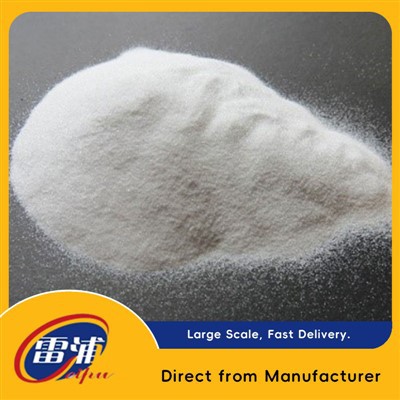
Now, let’s dive into white corundum. White corundum, also known as aluminum oxide (Al₂O₃), is a super – hard and versatile material. It’s widely used in various industries, like abrasives, refractories, and even in some high – tech applications.
The thermal conductivity of white corundum can vary depending on a few factors. One of the main factors is the purity of the white corundum. Higher purity white corundum generally has better thermal conductivity. This is because impurities can act as barriers to the flow of heat. When there are fewer impurities, the heat can travel more freely through the crystal lattice of the white corundum.
Another factor that affects thermal conductivity is the density of the white corundum. Denser materials usually have higher thermal conductivity. This is because the atoms are closer together, allowing for more efficient transfer of heat energy from one atom to another.
Typically, the thermal conductivity of white corundum at room temperature is in the range of about 20 – 30 W/(m·K). But this can change with temperature. As the temperature increases, the thermal conductivity of white corundum generally decreases. This is due to the increased lattice vibrations at higher temperatures, which can scatter the heat – carrying phonons (quantized lattice vibrations that transfer heat).
Let’s take a look at some real – world applications where the thermal conductivity of white corundum matters. In the abrasive industry, white corundum is often used to make grinding wheels. When you’re grinding a metal or other hard material, a lot of heat is generated. A grinding wheel made of white corundum with good thermal conductivity can dissipate this heat quickly. This helps to prevent overheating of the workpiece and the grinding wheel itself, which can lead to better grinding performance and longer wheel life.
In the refractory industry, white corundum is used to make bricks and other refractory products. These products are used in high – temperature environments, like furnaces. The high thermal conductivity of white corundum allows for efficient heat transfer within the refractory lining. This helps to maintain a more uniform temperature inside the furnace, which is crucial for the proper operation of the furnace and the quality of the products being processed.
In high – tech applications, such as semiconductor manufacturing, white corundum is used as a substrate material. The thermal conductivity of white corundum is important here because it helps to dissipate the heat generated by the semiconductor devices. This is essential for the reliable operation of the devices, as excessive heat can cause malfunctions and reduce the lifespan of the semiconductors.
As a white corundum supplier, I know how important it is to provide high – quality products with consistent thermal conductivity. We use advanced manufacturing processes to ensure that our white corundum has the right purity and density, which in turn gives it excellent thermal conductivity.
We also offer a range of white corundum products to meet different customer needs. Whether you need white corundum for abrasives, refractories, or high – tech applications, we’ve got you covered. Our team of experts can help you choose the right product based on your specific requirements, including the desired thermal conductivity.
If you’re in the market for white corundum, you might be wondering how to evaluate the thermal conductivity of the product. One way is to ask the supplier for the thermal conductivity data. A reliable supplier should be able to provide you with accurate information about the thermal conductivity of their white corundum at different temperatures.
You can also conduct your own tests if you have the necessary equipment. For example, you can use a thermal conductivity meter to measure the thermal conductivity of a sample of white corundum. This can give you a more direct and accurate assessment of the product’s thermal performance.
In conclusion, the thermal conductivity of white corundum is a crucial property that affects its performance in many applications. Whether it’s helping to dissipate heat in a grinding wheel, maintain a uniform temperature in a furnace, or keep semiconductor devices cool, white corundum’s thermal conductivity plays a vital role.

If you’re interested in purchasing white corundum for your business, I’d love to have a chat with you. We can discuss your specific needs, the thermal conductivity requirements for your application, and how our products can meet those needs. Just reach out to us, and we’ll be happy to start the conversation.
White Corundum References:
- "Introduction to Materials Science for Engineers" by James F. Shackelford
- "Handbook of Refractory Materials" by various authors
Shandong Leipu New Material Technology Co., Ltd.
With abundant experience, we are one of the most professional white corundum manufacturers and suppliers in China. Please feel free to buy high quality white corundum for sale here and get quotation from our factory. For price consultation, contact us.
Address: Advanced Ceramic Industry Innovation Park, No. 125, Liuquan Road, High-tech Zone, Zibo City, Shandong Province
E-mail: 2330389088@qq.com
WebSite: https://www.sdleipu.com/
