Medical hydrogel adhesives have emerged as a revolutionary technology in the field of cardiovascular devices, offering unique properties that address many challenges in this critical area of medicine. As a supplier of medical hydrogel adhesives, I am excited to share the diverse applications of these remarkable materials in cardiovascular devices. Medical Hydrogel Adhesive

1. Cardiovascular Patch Adhesion
One of the most significant applications of medical hydrogel adhesives in cardiovascular devices is in the use of cardiovascular patches. Cardiovascular patches are used to repair damaged heart tissue, close holes in the heart, or reinforce weakened blood vessels. Traditional methods of attaching these patches, such as sutures, can cause trauma to the delicate cardiovascular tissue and may lead to complications such as bleeding, infection, and tissue damage.
Medical hydrogel adhesives provide a non – invasive and biocompatible alternative for attaching cardiovascular patches. These adhesives can form a strong and flexible bond with the cardiovascular tissue, allowing for a secure attachment of the patch without the need for sutures. The hydrogel’s ability to conform to the irregular surface of the tissue ensures a tight seal, reducing the risk of leakage and improving the overall effectiveness of the patch.
For example, in the repair of atrial septal defects (ASDs), hydrogel – based adhesives can be used to attach a patch to the heart tissue. The adhesive provides a stable and reliable connection, which is crucial for the long – term success of the repair. Moreover, the biocompatibility of the hydrogel reduces the inflammatory response of the body, promoting faster healing and better patient outcomes.
2. Stent Coating
Stents are widely used in the treatment of cardiovascular diseases, such as coronary artery stenosis. A stent is a small, mesh – like tube that is inserted into a blocked or narrowed blood vessel to keep it open. However, stents can sometimes cause complications, such as restenosis (the re – narrowing of the blood vessel) and thrombosis (the formation of blood clots).
Medical hydrogel adhesives can be used to coat stents to improve their performance. The hydrogel coating can act as a drug – delivery system, releasing medications such as anti – platelet agents and anti – inflammatory drugs over time. This helps to prevent restenosis and thrombosis by reducing inflammation and inhibiting the growth of smooth muscle cells in the blood vessel wall.
In addition, the hydrogel coating can improve the biocompatibility of the stent. It provides a smooth surface that reduces the interaction between the stent and the blood, minimizing the risk of blood clot formation. The adhesive properties of the hydrogel ensure that the coating remains firmly attached to the stent during deployment and over time, maintaining its effectiveness.
3. Heart Valve Repair and Replacement
Heart valves play a crucial role in ensuring the proper flow of blood through the heart. When heart valves are damaged or diseased, they may need to be repaired or replaced. Medical hydrogel adhesives can be used in both heart valve repair and replacement procedures.
In heart valve repair, hydrogel adhesives can be used to seal small tears or defects in the valve leaflets. The adhesive forms a strong and flexible bond, allowing the valve to function properly again. This minimally invasive approach can reduce the need for more complex surgical procedures and improve patient recovery time.
For heart valve replacement, hydrogel adhesives can be used to attach the artificial valve to the heart tissue. The adhesive provides a secure and stable connection, ensuring that the valve functions correctly and reducing the risk of valve displacement. The biocompatibility of the hydrogel also helps to reduce the immune response of the body, improving the long – term performance of the artificial valve.
4. Cardiac Monitoring Devices
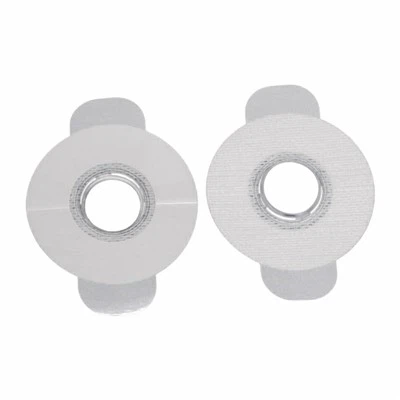
With the development of wearable and implantable cardiac monitoring devices, the need for reliable and biocompatible adhesives has become increasingly important. Medical hydrogel adhesives can be used to attach cardiac monitoring devices, such as electrocardiogram (ECG) electrodes and cardiac pacemakers, to the skin or cardiac tissue.
The hydrogel adhesive provides a comfortable and secure attachment, allowing for accurate and continuous monitoring of cardiac activity. The adhesive’s ability to conform to the body’s surface ensures a good electrical connection, which is essential for the accurate measurement of cardiac signals. Moreover, the biocompatibility of the hydrogel reduces skin irritation and allergic reactions, making it suitable for long – term use.
5. Vascular Graft Attachment
Vascular grafts are used to replace or bypass damaged blood vessels. The successful attachment of vascular grafts to the native blood vessels is crucial for the long – term patency of the graft. Medical hydrogel adhesives can be used to attach vascular grafts, providing a strong and leak – proof seal.
The hydrogel adhesive can be applied to the anastomosis site between the graft and the native blood vessel. It forms a tight bond, preventing blood leakage and promoting proper blood flow. The biocompatibility of the hydrogel also helps to reduce the risk of inflammation and thrombosis at the anastomosis site, improving the overall success rate of the vascular grafting procedure.
Advantages of Our Medical Hydrogel Adhesives
As a supplier of medical hydrogel adhesives, we offer several advantages. Our hydrogel adhesives are formulated using high – quality materials that are biocompatible and meet the strict regulatory requirements for medical use. They have excellent adhesive properties, providing a strong and long – lasting bond with cardiovascular tissue.
Our hydrogel adhesives are also customizable. We can adjust the composition and properties of the hydrogel to meet the specific needs of different cardiovascular devices. For example, we can control the adhesive strength, the degradation rate, and the drug – delivery properties of the hydrogel according to the requirements of the application.
In addition, our company has a team of experienced researchers and technicians who are dedicated to the development and improvement of medical hydrogel adhesives. We are committed to providing high – quality products and excellent customer service.
Conclusion
The applications of medical hydrogel adhesives in cardiovascular devices are vast and promising. From cardiovascular patch adhesion to stent coating, heart valve repair, cardiac monitoring, and vascular graft attachment, these adhesives offer unique solutions to many challenges in cardiovascular medicine.
Medical Wearable Solutions As a supplier of medical hydrogel adhesives, we are committed to providing innovative and high – quality products that can improve the performance and safety of cardiovascular devices. If you are interested in our medical hydrogel adhesives for your cardiovascular device applications, we encourage you to contact us for further discussion and potential procurement. We look forward to working with you to advance the field of cardiovascular medicine.
References
- [1] Lee, K. Y., & Mooney, D. J. (2001). Hydrogels for tissue engineering. Chemical reviews, 101(7), 1869 – 1879.
- [2] Anseth, K. S., Bowman, C. N., Brannon – Peppas, L., & Peppas, N. A. (2002). Design properties of hydrogel tissue – engineering scaffolds. Biomaterials, 23(22), 4337 – 4343.
- [3] Ratner, B. D., Hoffman, A. S., Schoen, F. J., & Lemons, J. E. (Eds.). (2004). Biomaterials science: An introduction to materials in medicine. Elsevier.
- [4] Langer, R., & Tirrell, D. A. (2004). Designing materials for biology and medicine. Nature, 428(6982), 487 – 492.
Shenzhen Omori Biological Technology Co., Ltd.
We’re well-known as one of the leading medical hydrogel adhesive manufacturers and suppliers in China. We warmly welcome you to wholesale high quality medical hydrogel adhesive made in China here from our factory. If you have any enquiry about customized service, please feel free to email us.
Address: Floor4, No43, Langkou Industrial park, Dalang Street, Longhua District, Shenzhen City, Guangdong Province, China
E-mail: wya@omorimed.com
WebSite: https://www.omorimed.com/
