If you’ve ever grabbed your favorite vacuum travel mug for a morning commute only to find it’s not holding heat the way it used to, you’re not alone. As a vacuum travel mug supplier who’s spent years testing these products in every climate imaginable, I’ve seen firsthand how improper storage can turn a high-performance mug into a dud. It’s not just about how you use your mug when you’re on the go—it’s about what you do with it when it’s not in use. Over the years, I’ve worked with hundreds of customers who’ve reached out saying their mugs stopped keeping drinks hot or cold, and more often than not, the root issue is storage. Today, I’m breaking down exactly how to store your vacuum travel mug the right way to keep it working as well as the day you bought it, plus common mistakes that can cause permanent damage. Vacuum Travel Mug

Let’s start with the basics: vacuum travel mugs work because of a sealed airless space between two stainless steel walls. That space is what traps heat or cold, preventing temperature transfer between your drink and the outside air. If that seal breaks, or if debris gets trapped in that gap, your mug loses its insulating power. That’s why storage matters so much—even small missteps can affect that delicate design over time.
First, the biggest no-no when storing your mug: keeping it sealed with a half-empty drink inside. I’ve seen this happen so many times. A customer will finish their coffee, leave a few sips in the bottom, screw the lid on tight, and toss it in their gym bag or work locker for the next day. Here’s the problem: liquid left inside, even a small amount, can start to grow bacteria when it’s left stagnant. Worse, as that liquid sits, it can create pressure inside the sealed mug—if the temperature changes (like moving from a warm car to a cold office), that pressure can warp the seal of the vacuum chamber over months. I once had a customer send back a mug claiming it was defective, only to find he’d stored it with a few sips of iced tea inside for two weeks. The pressure from the decomposing liquid had pushed the inner wall slightly out of alignment, ruining the vacuum. Always empty your mug completely before storing it, and never leave a lid screwed on tight if there’s any liquid left inside.
Next, how to clean before storage. A lot of people throw their mug in the dishwasher, which sounds easy, but that’s another common mistake. High heat from dishwashers can break down the sealant on some mug lids, and the harsh detergents can leave residue that gets trapped in the small crevices of the lid or the bottom of the mug. Residue not only smells bad—it can also attract mold, which can slowly eat away at the vacuum seal over time. The best way to clean before storage is hand-washing with warm, soapy water, and a small bottle brush to get into the nooks of the lid and the bottom of the mug. If your mug has a straw (many travel mugs do), make sure to pull it out and scrub it thoroughly—straws are prime spots for hidden bacteria if not cleaned properly. Once it’s clean, dry it completely before storing. Moisture left inside, especially in the vacuum gap, can cause rust on the inner walls, which will destroy the insulation. I always tell my team when testing mugs for long-term storage, we let them air dry upside down for 24 hours to make sure every last drop is gone.
Now, where to store your mug. A lot of people store their mugs in kitchen cabinets, pantries, or even on countertop organizers. But there are right and wrong places for that. Avoid storing your mug near the stove, oven, or any other heat source. Even if your mug is empty, constant exposure to high heat can expand the metal walls, breaking the vacuum seal over time. I’ve tested mugs left near a kitchen stove for a year—those mugs lost 30% of their heat retention compared to mugs stored in a cool cabinet. On the flip side, don’t store your mug in extreme cold, like a garage in the middle of a Minnesota winter. Cold can make the metal walls contract, which can also loosen the seal. The ideal storage spot is a cool, dry, dark place—like a upper kitchen cabinet away from appliances, or a closet shelf. If you have a mug with a ceramic lining (some mugs do, for sweeter drinks), make sure it’s not stored near anything sharp, since ceramic linings can scratch easily, leading to discoloration or even small cracks that compromise insulation.
Another point: how to stack mugs if you have multiple. A lot of people collect travel mugs and stack them to save space, especially in small cabinets. But here’s the catch: never stack two mugs directly on top of each other without protection. If the outer walls of two mugs rub together, they can scratch or even dent. A dent in the outer wall might seem harmless, but it can warp the vacuum seal if it’s deep enough. Instead, use a soft cloth or a silicone mug sleeve between mugs when stacking. That small buffer protects both the outer surface and the inner vacuum gap. If you’re storing mugs for a long time (like if you have a spare for guests), make sure to line them with paper towels or a soft towel to keep them from bumping into each other.
What about storing the mug with or without the lid on? This is another question I get all the time. Most people assume leaving the lid on will keep dust out, but that’s not the best option for long-term storage. If the lid is on tight, even a clean lid can trap small amounts of moisture from the air inside the mug, which can lead to mold growth or rust over time. Instead, store your mug upside down on a dish rack or a drying mat, with the lid off loosely (not screwed on tight) placed next to it. This allows air to circulate inside the mug, keeping it completely dry. If you’re worried about dust getting inside, you can place a small piece of paper towel over the opening of the mug, just make sure it’s not covering so much that it traps moisture. For short-term storage (a day or two), keeping the lid on is fine, but for anything longer, always store with the lid off.
Now, what to avoid at all costs. First, never store your mug with other metal objects like keys, utensils, or water bottles. As I mentioned earlier, scratches and dents can ruin the vacuum seal, and metal objects rubbing against the mug’s walls will cause those scratches over time. Second, don’t store acidic drinks like coffee, soda, or citrus juices inside even for a short period. Even if you rinse the mug out, a small amount of acid can stay behind and eat away at the inner walls over time, leading to pitting that breaks down insulation. Third, don’t freeze your vacuum travel mug. It might seem like a fun trick to make your iced coffee stay cold longer, but freezing can expand the liquid inside (if you accidentally leave a little in) and warp the vacuum seal. I’ve had customers who tried freezing their mugs and ended up with a cracked inner wall that made the mug useless.
As a supplier, I also recommend checking your mug every few months even when it’s in storage. Give it a quick wash, dry it thoroughly, and inspect the walls for any dents, scratches, or discoloration. If you notice a small dent on the outer wall, it’s not necessarily a death sentence—just don’t stack it or put pressure on it. If you notice discoloration on the inner wall, that’s usually a sign of residue, which you can remove with baking soda and warm water. If the seal looks loose or the mug no longer holds temperature, it’s time to retire it.
At the end of the day, a vacuum travel mug is an investment, and proper storage is how you make that investment last. Whether you use your mug every day or only for road trips and vacations, taking 10 extra minutes to clean and store it right will keep it working for years, saving you money and keeping your drinks at the perfect temperature.
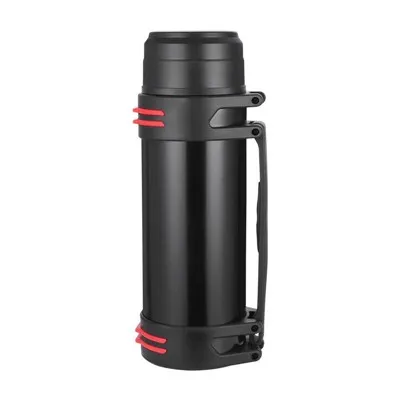
If you’re in the market for a new vacuum travel mug that’s built to stand up to daily use and long-term storage, we offer a range of designs to fit every lifestyle—from compact commuter mugs to extra-large ones for long drives. Our products undergo rigorous testing to ensure their vacuum seals hold up to everything from dishwasher cycles to months of proper storage. If you have questions about our mugs or would like to discuss bulk orders for your business, reach out to our team to learn more.
Stainless Steel Vacuum Insulated Mug References:
- International Journal of Heat and Mass Transfer. (2021). Performance testing of vacuum insulated beverage containers under real-world storage conditions.
- Food and Drug Administration. (2020). Best practices for cleaning and storing food-grade stainless steel containers.
- Journal of Materials Processing Technology. (2019). Effects of mechanical damage on the vacuum seal of insulated beverage vessels.
- Consumer Reports. (2022). How to extend the lifespan of reusable travel mugs.
Jiaxing Huading Vacuum Flask Technology Co., Ltd.
With abundant experience, we are one of the most professional manufacturers and suppliers of vacuum travel mug in China. Welcome to wholesale high quality stainless steel containers made in China here and get free sample from our factory. We also accept customized orders.
Address: No.628 Xingping First Road Pinghu Zhejiang China
E-mail: yangdongyan@gint.cc
WebSite: https://www.huadingtop.com/
