Hey, let’s cut to the chase. If you’ve ever stared at a pile of styrofoam packing peanuts, takeout containers, or old coolers and wondered, “Where the hell does all this go?”—you’re not alone. For years, most of that EPS (expanded polystyrene) waste ended up rotting in landfills or clogging oceans, right? That’s where my team and I come in: we’re the folks behind EPS recycle systems, and no, we don’t just move plastic around—we actually cut down on waste in big, measurable ways. Let’s break this down like we’re chatting over coffee, no stuffy jargon promised. EPS Recycle System
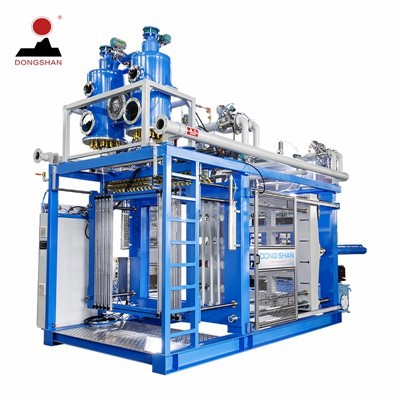
First, let’s get one thing straight: EPS isn’t just “styrofoam.” It’s that lightweight, super-insulating plastic you see everywhere—shipping companies use it to protect electronics, grocery stores wrap produce in it, you keep your beer cold in it at tailgates. The problem? It’s 95% air, so it’s ridiculously bulky to transport. Before our systems, if a recycling center even bothered with EPS, they’d stuff it into garbage bags and ship it cross-country to a handful of facilities that could handle it—total waste of time, fuel, and space. That’s like hauling a pillow from New York to California just to squeeze it; it’s inefficient and adds more emissions than it fixes. Our EPS recycle systems change that by first compacting or densifying the EPS on-site, shrinking its volume by up to 90:1. Suddenly, that mountain of peanuts that would take up a whole garbage truck fits into a tiny bin—so we cut down on transport waste before it even leaves the loading dock. That’s the first win, plain and simple.
Now, let’s talk about what happens after that compacted EPS gets to a reprocessor. Before our systems existed, a lot of EPS ended up in landfills because nobody wanted to pay to haul it. But when you densify it, you make it worth the effort to recycle. The densified EPS (we call it “logs” or “bricks” in the biz) gets turned into new products—think picture frames, crown molding, even new packing material. Wait, but does that actually reduce waste, or just move it around? Let’s do the numbers. A single cubic yard of loose EPS is roughly 10 pounds. Compress it 90:1, that’s 100 pounds in the same space. That means one truckload of compacted EPS equals 90 truckloads of loose EPS. So instead of 90 trips burning gas and spewing emissions, you’ve got one. That’s not just less waste—it’s cutting the carbon footprint of recycling EPS by a ton, which is a huge part of waste reduction too. Landfills aren’t just ugly; they leach chemicals, take up space, and release methane as organic matter breaks down—even plastic like EPS, which can take 500+ years to decompose. Keeping EPS out of landfills is non-negotiable for waste reduction, and our systems make that possible because they make recycling EPS financially worth it.
Here’s the part most people don’t hear about: a lot of the “EPS recycling” that happens these days is actually downcycling. Like, when you turn old takeout containers into a park bench, that’s great, but it’s not closing the loop. Our systems are built to handle not just compacting, but also prepping the EPS for closed-loop recycling. Wait, what’s closed-loop? That’s when you take old EPS and turn it into new EPS—so a packing peanut becomes a packing peanut, not a random plastic item that eventually gets thrown away. How do we pull that off? Our systems have shredders that break down the EPS into tiny, clean flakes, then a washer that gets rid of all the food residue, dirt, and ink from packaging. Then we dry and melt those flakes into pellets, which are the same raw material new EPS is made from. So instead of making new EPS from virgin oil, we’re using recycled pellets. That reduces the demand for new plastic entirely—so less virgin plastic is produced, which is a massive waste reduction win because making virgin plastic creates tons of waste in itself.
Let me give you a real example to make this tangible. Last year, I worked with a mid-sized e-commerce company that shipped 100,000 packages a month, all using EPS. Before they got our system, they were paying $1,200 a month to haul away loose EPS—most of which went to a landfill because recycling cost more than the EPS was worth. After installing our densifier, they now process all their on-site EPS, make those compacted bricks, and sell them to a local reprocessor for $0.50 a pound. That’s $12,000 a year in extra revenue, but more importantly—they diverted 40,000 pounds of EPS from the landfill. In one year. That’s not a “little bit less waste”—that’s keeping a semi-truck full of plastic out of a hole in the ground.
Critics will say, “EPS recycling is too niche to matter.” But let’s look at the stats. The EPA says that municipal solid waste (MSW) includes over 2.8 million tons of plastic food service ware and packaging, and EPS makes up about 30% of that. That’s 840,000 tons of EPS waste in the US alone every year. If even half of that was processed with our systems, we’d keep 420,000 tons of plastic out of landfills and oceans. And that’s not just US—globally, EPS waste is estimated at 12 million tons a year. Our systems are designed to scale, too: we’ve got small units for a local grocery chain and large industrial units for shipping giants, so no matter how much EPS you’re dealing with, you can cut down on waste without the hassle.
Wait, but what about the “unrecyclable” EPS? Like, the pizza boxes caked in cheese or the coffee cups with leftover soda? Before our systems, those were tossed for being too dirty. But we built our washers to handle that—no more sorting by hand, no more throwing away food-contaminated EPS. Our systems break down even the gunk, so even the “unrecyclable” stuff gets turned into usable pellets. That’s another waste reduction win: we’re not letting icky EPS go to the landfill because we don’t have a way to clean it.
Let’s also talk about what happens if we don’t use these systems. I once visited a landfill in Ohio where they had a whole section of EPS waste piled up like a small mountain. The landfill manager told me that section was expanding every month, and they didn’t have the money to pay for recycling. That’s not an isolated case—most small businesses and even mid-sized companies don’t have access to affordable EPS recycling, so they just pay to haul it away. Our systems level the playing field: you don’t need a huge budget or a team of engineers to make a difference. Our units are easy to operate—one part-time employee can run it—so you’re not adding more waste by hiring extra staff to handle recycling.
Here’s something I’m really proud of: our systems don’t just reduce waste in the short term—they create a circular economy for EPS, which is the only way to really tackle plastic waste. When you can turn old EPS into new EPS, you don’t keep mining oil to make new plastic, you don’t keep hauling old EPS to landfills, and you don’t keep letting EPS float around in the ocean harming sea life. That’s long-term waste reduction, not just a band-aid.
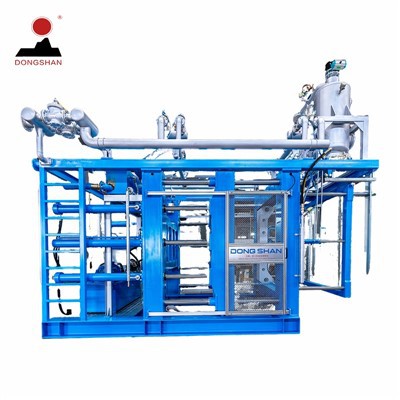
I get it—if you’ve never dealt with EPS waste before, this might sound complicated. But it’s not. Our team walks you through every step: we assess how much EPS you generate, pick the right size system for your space and budget, install it, and train your team to use it. No hidden fees, no confusing tech, just a solution that actually works. So if you’re tired of watching your EPS get tossed, if you’ve spent too much on hauling costs, and if you actually want to make a real difference for the planet—let’s talk. We’ve helped dozens of companies cut their EPS waste by 90% or more, and we can help yours too. Stop letting EPS pile up and start reducing waste for good.
EPP Molding Machine References
U.S. Environmental Protection Agency (EPA). (2022). Municipal Solid Waste Generation, Recycling, and Disposal in the United States: Facts and Figures for 2018.
European Polyurethane Association (EUROPA). (2021). EPS Waste Management and Recycling Trends in the EU.
National Waste and Recycling Association (NWRA). (2023). Expanded Polystyrene Recycling Market Report.
Hangzhou Fuyang Dongshan Plastic Machinery Co., Ltd.
Hangzhou Fuyang Dongshan Plastic Machinery Co., Ltd. is one of the most professional EPS recycle system manufacturers and suppliers in China, featured by quality products and low price. Please feel free to wholesale advanced EPS recycle system made in China here and get quotation from our factory. Customized orders are welcome.
Address: 101 Guanting, Baiqian Villige, Luzhu Town, Fuyang District, Hangzhou City, Zhejiang Province, China
E-mail: xu@dong-shan.cn
WebSite: https://www.epseppmachinery.com/
