Hey there! I’m a supplier of rotary lime kilns, and I know these kilns like the back of my hand. They’re pretty cool pieces of machinery, designed to turn limestone into lime through a process called calcination. But just like anything else in life, they’re not all sunshine and rainbows. Yeah, you heard that right. There are some disadvantages to using a rotary lime kiln, and I think it’s important to be upfront about them. So, let’s dive into what those might be. Rotary lime kiln
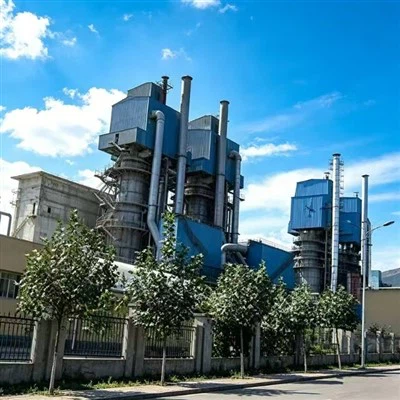
First off, one of the biggest headaches with rotary lime kilns is the energy consumption. These bad boys gobble up a ton of energy to reach and maintain the high temperatures needed for calcination. You’re talking about temperatures that can go up to 1000 – 1200 degrees Celsius or even higher. That means burning a whole lot of fuel, whether it’s coal, natural gas, or oil. And as you can imagine, that’s going to hit you in the pocketbook. Higher fuel costs translate to higher production costs, which can make it tough to compete in the market.
Moreover, the high energy consumption isn’t just hard on your wallet; it’s also hard on the environment. Burning all that fossil fuel releases a significant amount of greenhouse gases, like carbon dioxide. In today’s world, where everyone’s talking about climate change and reducing carbon footprints, this is a major drawback. It can lead to stricter environmental regulations and potential fines if you don’t meet the emission standards. And even if you manage to avoid the legal issues, there’s a growing pressure from consumers and stakeholders to be more environmentally friendly.
Another drawback is the maintenance requirements. Rotary lime kilns are complex machines with a lot of moving parts. Over time, all that movement and exposure to high temperatures can cause wear and tear on the kiln lining, the rotating parts, and other components. That means regular maintenance is a must. You’ve got to check the kiln lining for cracks and erosion, lubricate the bearings, and make sure all the electrical and control systems are working properly. And let me tell you, maintenance isn’t cheap. It requires skilled technicians, and you’ve got to shut down the kiln for the work, which means lost production time.
The startup and shutdown processes of a rotary lime kiln are also a pain. Starting up a kiln is a slow and delicate process. You can’t just flip a switch and expect it to start working at full capacity. You’ve got to gradually increase the temperature to avoid thermal shock, which can damage the kiln lining. This can take hours or even days, depending on the size of the kiln. And then, when it’s time to shut it down, you’ve got to do it slowly as well to prevent damage. All this time spent on startup and shutdown means less time for actual production.
Quality control is another area where rotary lime kilns can be a challenge. The quality of the lime produced can vary depending on a number of factors, like the temperature inside the kiln, the residence time of the limestone, and the quality of the raw materials. It’s not always easy to keep these factors consistent, especially when the kiln is running for long periods. And if the quality of the lime isn’t up to par, it can affect the performance of the end products that use the lime. This can lead to customer complaints and a loss of business.
Another issue is the space requirements. Rotary lime kilns are big, bulky machines. They need a lot of space to be installed and operated safely. You’ve got to have a large building or facility to house the kiln, along with all the associated equipment, like the feeders, burners, and cooling systems. This can be a problem if you’re short on space or if you’re trying to expand your production capacity. Additionally, the large size of the kiln can make it difficult to transport and install, especially in remote locations.
Noise pollution is also a downside. The operation of a rotary lime kiln can be quite noisy. The rotating of the kiln, the burning of fuel, and the movement of materials all contribute to the noise level. This can be a nuisance for workers and people living or working nearby. You may need to invest in noise – reducing equipment, like sound – proof enclosures, which adds to the overall cost.
Now, I know what you’re thinking. With all these disadvantages, why would anyone want to buy a rotary lime kiln? Well, despite these issues, rotary lime kilns are still widely used because they offer some significant advantages, like high production capacity and the ability to handle a variety of raw materials. And as a supplier, I’m constantly working on solutions to minimize these drawbacks.
For example, we’re investing in research and development to make our kilns more energy – efficient. We’re looking at new burner technologies and insulation materials that can reduce fuel consumption and cut down on greenhouse gas emissions. In terms of maintenance, we provide comprehensive training for our customers’ technicians so they can handle routine maintenance tasks more effectively. And we’re also working on improving the startup and shutdown processes to make them faster and more reliable.

If you’re in the market for a rotary lime kiln, I encourage you to reach out. We’ve got a team of experts who can answer all your questions and help you find the best solution for your needs. We understand the challenges you face, and we’re committed to providing you with a high – quality product that minimizes the disadvantages I’ve talked about. Whether you’re just starting out or looking to upgrade your existing equipment, we’re here to assist you. Contact us, and let’s start a conversation about how we can work together to boost your production and meet your business goals.
Annular lime kiln References
- Smith, J. (2018). Lime Production Technology. Industrial Minerals Publishing.
- Brown, A. (2020). Energy Efficiency in Kiln Operations. Journal of Environmental Engineering.
- Green, M. (2019). Maintenance Best Practices for Rotary Kilns. Manufacturing Today Magazine.
Handan Metallurgical Engineering & Research Co., Ltd.
Handan Metallurgical Engineering & Research Co., Ltd. is well-known as one of the leading rotary lime kiln manufacturers and suppliers in China. We warmly welcome you to buy high quality rotary lime kiln made in China here from our factory. Good service and competitive price are available.
Address: Cheng’an County, Handan City, Hebei Province, China
E-mail: hanhaizhao@dzmer.com
WebSite: https://www.dzmer.com/
