Do lock washers need to be tightened to a specific torque? That’s a question I, as a lock washer supplier, get asked a lot. In the world of fasteners, lock washers play a pretty crucial role. They’re designed to keep nuts and bolts from loosening up due to vibrations, shock, or any kind of movement. But the deal with torque – well, that’s a bit of a multi – faceted story. Lock Washers

Let’s start by understanding what lock washers actually are and how they work. There are different types of lock washers out there. You’ve got split lock washers, which look like a coiled ring that’s been split. When you tighten a nut or bolt with a split lock washer, the sharp edges dig into the surface of the nut and the mating part, creating friction. Then there are toothed lock washers, with teeth that bite into the surfaces to prevent rotation. And Belleville washers, which work by providing a spring – like force to maintain tension.
Now, torque is basically the amount of rotational force you apply when tightening a fastener. It’s measured in units like foot – pounds or Newton – meters. The idea behind torque is to make sure that the fastener is tight enough to do its job properly but not so tight that it causes damage.
For some applications, tightening lock washers to a specific torque is absolutely necessary. Take the automotive industry, for example. In a car engine, there are countless nuts and bolts that hold everything together. If a lock washer isn’t tightened to the right torque, the fastener could come loose over time. This could lead to all sorts of problems, from minor rattling to major engine malfunctions. In an airplane, the stakes are even higher. Every single fastener has to be tightened precisely because a loose one could compromise the safety of the entire aircraft.
There are also engineering standards and manufacturer specifications that dictate the required torque for different types of fasteners and applications. These standards are based on a whole bunch of factors, like the size and material of the fastener, the type of load it will be under, and the environment it will operate in. For instance, if you’re using a stainless – steel lock washer in a high – temperature environment, the torque requirements might be different compared to using it in a normal temperature setting.
But here’s the thing: not all situations call for a specific torque value. In some DIY projects or less – critical applications, like assembling a piece of furniture, you might not need to worry too much about torque. You can usually just tighten the lock washer until it feels secure. As long as the nut or bolt isn’t going to come off easily and the lock washer is doing its job of preventing loosening, that might be enough.
I remember one of my customers, a small – scale machinery maker. He was putting together a simple conveyor belt system. At first, he was all worried about torque values for the lock washers. He was spending a lot of time using torque wrenches and double – checking the numbers. But then he realized that for this particular application, the parts didn’t need that level of precision. He just tightened the lock washers to a point where he was confident they wouldn’t come loose, and it worked just fine.
Another factor to consider is the quality of the lock washer itself. At my company, we make sure that our lock washers are of top – notch quality. We use high – grade materials and strict manufacturing processes. A well – made lock washer will be more effective at preventing loosening, even if it’s not tightened to an exact torque value. However, if you’re using a cheap, low – quality lock washer, you might need to pay more attention to torque to make sure it works properly.
Let’s talk about the tools you need for torque tightening. A torque wrench is the most common tool. It allows you to set a specific torque value and will click or give some kind of signal when you reach that value. There are also digital torque wrenches that can give you a more accurate reading. But these tools come with a cost, both in terms of money and the learning curve to use them correctly. If you’re a professional in an industry where torque is crucial, investing in a good torque wrench is a no – brainer. But for a casual user, it might not be worth the expense.
Now, I’ve been talking a lot about when torque is important and when it’s not. But how do you actually determine the right torque value if you do need it? Well, the best place to start is the manufacturer’s specifications. They usually provide a torque chart based on the size and type of the fastener. You can also consult engineering handbooks or online resources. But keep in mind that these are general guidelines, and you might need to adjust the values based on the specific circumstances of your application.
One more thing to think about is the sequence of tightening. If you’re working with multiple lock washers on a single part, tightening them in the right order can make a big difference. For example, when tightening the bolts on a cylinder head in an engine, there’s a specific pattern that you need to follow. This ensures that the pressure is evenly distributed and that the lock washers and fasteners work together effectively.
In conclusion, whether lock washers need to be tightened to a specific torque depends on several factors. In high – stakes applications like automotive and aerospace, following specific torque values is almost always a must. But for less – critical or DIY projects, you might be able to get away with just tightening them until they feel secure. As a lock washer supplier, I always recommend that customers understand their specific needs and the requirements of their applications. If you’re unsure, it’s always a good idea to consult with an expert.
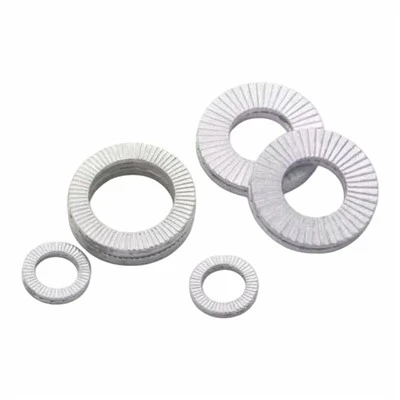
If you’re in the market for high – quality lock washers and need advice on torque values or any other aspect of fasteners, I’d love to have a chat with you. Whether you’re a professional in a manufacturing industry or a DIY enthusiast working on your latest project, I’m here to help. Reach out and let’s discuss how we can meet your lock washer needs.
Structural Bolts References:
- "Fasteners and Fixings Handbook", Various industry publications
- Engineering handbooks from well – known authors in the field of mechanical engineering
- Manufacturer specifications for lock washers and related fasteners
Handan Jihao Fastener Co., Ltd.
We’re known as one of the most professional lock washers manufacturers and suppliers in China. With abundant experience, we warmly welcome you to wholesale customized lock washers made in China here from our factory. If you have any enquiry about cooperation, please feel free to email us.
Address: A2, Row 31, Feiyu Screw World, Hebei Pu, Linmengguan Town, Yongnian District, Handan City, Hebei Province
E-mail: wenzhaona0@gmail.com
WebSite: https://www.chinaboltnut.com/
