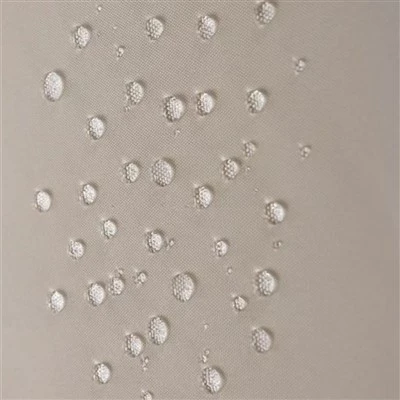
As a provider of car cover fabric, I’m frequently asked, "What is the softness of car cover fabric?" This seemingly simple question encompasses a complex interplay of factors that significantly impact the performance, protection, and user experience of car covers. In this blog, I’ll delve into the concept of softness in car cover fabric, exploring its importance, how it’s measured, factors influencing it, and its implications for both car owners and suppliers like us. Car Cover Fabric
The Importance of Softness in Car Cover Fabric
Softness in car cover fabric is not merely a matter of tactile comfort; it plays a crucial role in protecting vehicles from damage. A soft fabric is gentle on the car’s paintwork, minimizing the risk of scratches and swirl marks that can occur when the cover rubs against the car’s surface. This is especially important for luxury and high – end vehicles, where maintaining the pristine appearance of the paint is a top priority.
Moreover, soft fabric is more flexible and adaptable to the contours of the car. It can drape smoothly over the vehicle, providing a snug fit that helps to keep out dust, dirt, and moisture. This not only enhances the aesthetic appeal of the covered car but also protects it from environmental factors that can cause corrosion and other forms of damage over time.
From a user perspective, a soft car cover is more pleasant to handle. It’s easier to fold, store, and install, making the overall process of covering and uncovering the car a hassle – free experience. This convenience can encourage car owners to use the cover regularly, which in turn maximizes the protection offered to their vehicles.
Measuring the Softness of Car Cover Fabric
Measuring the softness of fabric is not an exact science, as it involves both objective and subjective elements. Objectively, several physical properties of the fabric contribute to its perceived softness. These include the fiber type, fabric structure, and the presence of any softening treatments.
Fiber Type
The type of fibers used in the car cover fabric has a profound impact on its softness. Natural fibers such as cotton are known for their softness and breathability. Cotton fibers are relatively fine and have a smooth surface, which gives the fabric a gentle touch. However, cotton may not be the most durable option for car covers, as it can be prone to shrinking, fading, and water damage.
On the other hand, synthetic fibers like polyester and nylon offer excellent durability. They are resistant to abrasion, UV rays, and moisture. To enhance the softness of synthetic fabrics, manufacturers often blend them with other fibers or use specialized spinning and weaving techniques to create fine – denier fibers. Microfiber, a type of synthetic fabric made from extremely fine threads, is prized for its softness, absorbency, and ability to trap dirt and dust particles.
Fabric Structure
The way the fabric is woven or knitted also affects its softness. A loosely woven fabric generally feels softer than a tightly woven one, as it allows the fibers to move more freely and provides a more cushioned feel. Knitted fabrics, in particular, are known for their stretchiness and softness. They can conform well to the car’s shape and provide a comfortable fit.
However, a too – loose fabric structure may compromise the fabric’s strength and durability. Therefore, a balance must be struck between softness and performance when designing car cover fabrics.
Softening Treatments
Fabric softeners and finishes can be applied to car cover fabrics to enhance their softness. These treatments work by coating the fibers with a thin layer of chemicals that reduce friction between the fibers, making the fabric feel smoother and more pliable. However, it’s important to ensure that these treatments do not compromise the fabric’s other properties, such as water – resistance or UV – protection.
Subjective Evaluation of Softness
In addition to the objective factors, the perception of softness is also highly subjective. Different people may have different sensitivities to touch, and what one person finds soft, another may consider rough. Factors such as the texture of the fabric, its temperature, and the pressure applied during touch can all influence an individual’s perception of softness.
To account for this subjectivity, car cover manufacturers often conduct user surveys and focus groups to gather feedback on the softness of their fabrics. This qualitative data can be used in conjunction with objective measurements to improve the softness of the products and meet the expectations of consumers.
Factors Influencing the Softness of Car Cover Fabric
Manufacturing Process
The manufacturing process of car cover fabric can have a significant impact on its softness. For example, the way the fibers are spun can affect their surface smoothness and fineness. High – quality spinning processes can produce fibers with a more uniform diameter and a smoother surface, resulting in a softer fabric.
Dyeing and finishing processes can also influence softness. Harsh chemicals used in these processes can damage the fibers and make the fabric feel rough. Therefore, it’s important to use gentle and eco – friendly dyes and finishes to preserve the softness of the fabric.
Environmental Conditions
The environment in which the car cover is stored and used can also affect its softness. Exposure to extreme temperatures, humidity, and sunlight can cause the fabric to become brittle and stiff over time. For example, prolonged exposure to UV rays can break down the fibers in the fabric, reducing its softness and durability.
To maintain the softness of the car cover fabric, it’s recommended to store the cover in a cool, dry place when not in use. Cleaning the cover regularly with a mild detergent and avoiding the use of harsh chemicals can also help to preserve its softness.
Handling and Maintenance
How the car cover is handled and maintained can also impact its softness. Rough handling, such as pulling or tugging on the cover, can damage the fibers and make the fabric feel rough. Folding the cover tightly and storing it in a confined space for extended periods can also cause the fabric to lose its softness.
Proper folding and storage techniques can help to preserve the softness of the fabric. For example, folding the cover loosely and storing it in a breathable bag can prevent the fibers from becoming compressed and maintain the fabric’s flexibility.
Implications for Car Owners and Suppliers
For Car Owners
As a car owner, understanding the softness of car cover fabric is essential for protecting your vehicle. A soft car cover can provide better protection for your car’s paintwork and make your life easier by being more comfortable to handle. When choosing a car cover, consider factors such as the fiber type, fabric structure, and any softening treatments. Look for covers made from high – quality materials and check user reviews to get an idea of the fabric’s softness.
For Suppliers
As a supplier of car cover fabric, softness is one of the key selling points of our products. We need to carefully select the fibers, manufacturing processes, and treatments to ensure that our fabrics meet the high standards of softness expected by our customers. We also need to educate our customers about the importance of softness in car cover fabric and how to maintain it.
By continuously improving the softness of our fabrics, we can differentiate ourselves from our competitors and build a loyal customer base. We can also work closely with car cover manufacturers to develop innovative products that combine softness with other desirable properties, such as durability, water – resistance, and UV – protection.
Conclusion
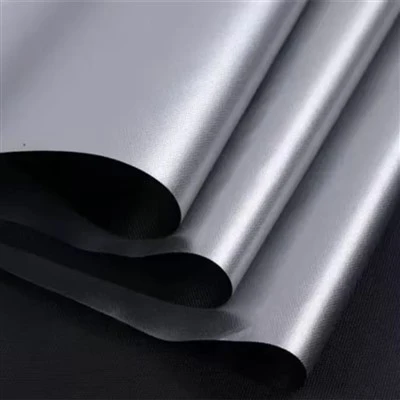
In conclusion, the softness of car cover fabric is a multi – faceted concept that encompasses both objective and subjective elements. It plays a crucial role in protecting vehicles, enhancing user experience, and influencing consumer purchasing decisions. As a car cover fabric supplier, we are committed to producing high – quality fabrics that offer the perfect balance of softness, durability, and performance.
Reflective Fabric If you’re in the market for car cover fabric, whether you’re a car cover manufacturer or a car owner looking to replace your old cover, we’d love to have a conversation with you. Our team of experts can provide you with detailed information about our products, help you choose the right fabric for your needs, and discuss potential partnerships. Don’t hesitate to reach out to us to start a procurement discussion and discover how our car cover fabrics can meet your requirements.
References
- Textile Technology: Fundamentals of Fabrics and Fibers. A comprehensive textbook covering the basics of fabric and fiber properties, including softness.
- Automotive Research Journals: Articles on the impact of car cover fabrics on vehicle protection, which often discuss the importance of softness.
- User Surveys and Consumer Reports: Data collected from car owners and users regarding their preferences for car cover fabric softness and handling.
Wujiang Jiashunxin Spray Weaving Co., Ltd.
As one of the most professional car cover fabric manufacturers and suppliers in China, we’re featured by quality products and good service. We warmly welcome you to wholesale bulk customized car cover fabric from our factory. If you have any enquiry about free sample, please feel free to email us.
Address: Xingli New Village, Lili Town, Wujiang District, Suzhou City, Jiangsu Province
E-mail: xuzhiqiang20260525@163.com
WebSite: https://www.shunbangfabric.com/
