As a supplier of Gutter Roll Forming Machines, I’ve witnessed firsthand the growing demand for energy – efficient solutions in the manufacturing industry. In today’s world, where environmental concerns are at the forefront and energy costs continue to rise, reducing the energy consumption of a Gutter Roll Forming Machine is not only an eco – friendly choice but also a smart business decision. In this blog, I’ll share some practical strategies that can help you achieve this goal. Gutter Roll Forming Machine

1. Machine Design and Selection
The first step in reducing energy consumption starts with the design and selection of the Gutter Roll Forming Machine. When choosing a machine, look for models that are specifically engineered for energy efficiency. Modern machines often incorporate advanced technologies such as servo – driven systems. Servo motors are highly efficient because they can precisely control the speed and torque according to the actual requirements of the forming process. Unlike traditional motors that run at a constant speed, servo motors adjust their power output in real – time, reducing unnecessary energy waste.
Another aspect of machine design is the use of lightweight yet strong materials. A lighter machine requires less energy to move and operate. For example, some manufacturers are now using high – strength aluminum alloys in the construction of the machine frames. These materials not only reduce the overall weight of the machine but also maintain the necessary structural integrity.
In addition, consider the size of the machine. A machine that is too large for your production needs will consume more energy than necessary. Evaluate your production volume and choose a machine with an appropriate capacity. This way, you can ensure that the machine is operating at an optimal level, neither under – utilized nor over – stressed.
2. Regular Maintenance
Regular maintenance is crucial for the energy – efficient operation of a Gutter Roll Forming Machine. Over time, components such as bearings, gears, and belts can wear out, increasing friction and energy consumption. By performing routine maintenance, you can keep these components in good working condition.
Lubrication is one of the most important maintenance tasks. Properly lubricated bearings and gears reduce friction, which in turn reduces the amount of energy needed to drive the machine. Use high – quality lubricants recommended by the machine manufacturer and follow the lubrication schedule strictly.
Inspect the belts regularly for signs of wear and tension. Loose belts can slip, causing the motor to work harder and consume more energy. If a belt is worn or damaged, replace it immediately.
Clean the machine regularly to remove dust, debris, and metal shavings. These contaminants can accumulate on the machine’s components, affecting their performance and increasing energy consumption. A clean machine operates more smoothly and efficiently.
3. Optimize the Forming Process
The forming process itself can have a significant impact on energy consumption. One way to optimize the process is to adjust the speed of the machine. Running the machine at a lower speed when possible can reduce energy consumption without sacrificing productivity. For example, if you are producing gutters with a simple profile, you may be able to slow down the machine without affecting the quality of the final product.
Another aspect of process optimization is the use of proper tooling. Well – designed and sharp tooling can reduce the force required to form the gutters, which in turn reduces the energy consumption of the machine. Regularly inspect and maintain the tooling to ensure that it is in good condition. If the tooling is worn or damaged, replace it promptly.
In addition, consider the material feed rate. A consistent and appropriate feed rate can help the machine operate more efficiently. If the feed rate is too high, the machine may have to work harder to process the material, increasing energy consumption. On the other hand, if the feed rate is too low, it may result in longer production times and increased energy usage per unit.
4. Implement Energy – Saving Technologies
There are several energy – saving technologies that can be implemented on a Gutter Roll Forming Machine. One such technology is the use of variable frequency drives (VFDs). VFDs allow the motor to operate at different speeds, depending on the load requirements. By adjusting the motor speed, VFDs can significantly reduce energy consumption, especially during periods of low demand.
Another technology is the use of regenerative braking systems. When the machine decelerates or stops, a regenerative braking system can convert the kinetic energy of the moving parts into electrical energy and feed it back into the power supply. This not only reduces energy consumption but also extends the life of the braking components.
Energy – efficient lighting systems can also be installed in the machine area. LED lights consume less energy than traditional incandescent or fluorescent lights and have a longer lifespan. By using LED lights, you can reduce the overall energy consumption of the production facility.
5. Employee Training
Employees play a crucial role in reducing the energy consumption of a Gutter Roll Forming Machine. Provide comprehensive training to your employees on energy – saving practices. Teach them how to operate the machine efficiently, including how to adjust the speed, feed rate, and other parameters.
Encourage employees to report any signs of machine malfunction or inefficiency promptly. A small issue, if left unaddressed, can lead to increased energy consumption over time. By promoting a culture of energy conservation among your employees, you can significantly reduce the energy consumption of your Gutter Roll Forming Machine.
6. Monitoring and Analysis
Regularly monitor the energy consumption of your Gutter Roll Forming Machine. Install energy meters to track the amount of energy used by the machine over a period of time. Analyze the data to identify patterns and trends. For example, you may notice that the machine consumes more energy during certain production runs or at specific times of the day.
Based on the analysis, take appropriate actions to reduce energy consumption. If you find that the machine is consuming more energy than usual during a particular production process, review the process and make adjustments. You may also be able to identify areas where energy – saving technologies can be further optimized.
In conclusion, reducing the energy consumption of a Gutter Roll Forming Machine is a multi – faceted approach that involves machine design, maintenance, process optimization, technology implementation, employee training, and monitoring. By implementing these strategies, you can not only reduce your energy costs but also contribute to a more sustainable manufacturing environment.
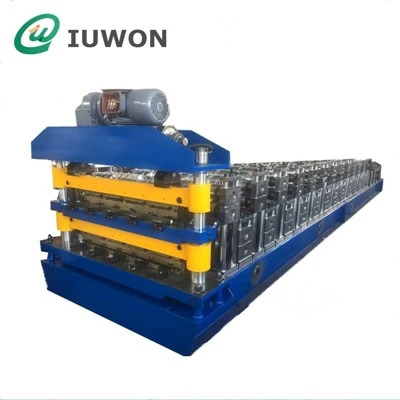
If you are interested in learning more about our Gutter Roll Forming Machines and how they can help you achieve energy efficiency, I encourage you to reach out to us. We are always ready to discuss your specific needs and provide you with the best solutions.
Gutter Roll Forming Machine References:
- "Energy – Efficient Manufacturing: A Guide for Small and Medium – Sized Enterprises" by the United Nations Industrial Development Organization
- "Handbook of Metal Forming" edited by George E. Dieter
- "Industrial Energy Efficiency: Technologies and Measures for Energy Conservation" by the International Energy Agency
Hanghzou IUWON Technology Co., Ltd.
Hanghzou IUWON Technology Co., Ltd. is one of the most professional gutter roll forming machine manufacturers and suppliers in China. Please feel free to buy high quality gutter roll forming machine made in China here from our factory. For price consultation, contact us.
Address: No.755, Xintangtou Village, Xinjie Street, Xiaoshan District, Hangzhou, Zhejiang
E-mail: sales@iuwon.com
WebSite: https://www.iuwonforming.com/
