Hey everyone, let’s cut to the chase: eye wrinkles are basically the most annoying part of aging, right? They sneak up on you mid-20s from scrolling your phone until 2am, sun damage you forgot about in college, or just the fact that the skin around your eyes is 10x thinner than the rest of your face. And when you’re desperate to get rid of them, you’ve probably stared down two options: grab a $20 drugstore cream, or book an appointment with a dermatologist. As someone who works with eye wrinkle removal solutions, I get the urge to skip the doctor’s visit—who has time or money for that? But let’s talk about whether that skip is actually a good call. Eye Wrinkle Removal
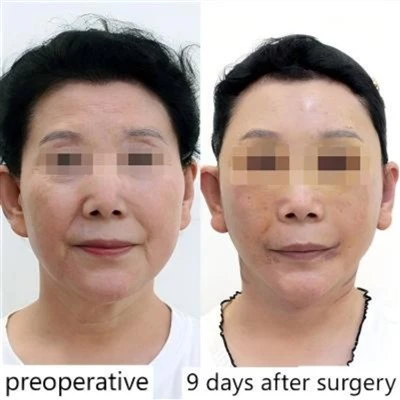
First, let’s get real about what eye wrinkles even are. The under-eye and crow’s feet area has almost no oil glands, so it can’t hold moisture like your cheeks or forehead. That means when collagen starts breaking down (hello, 30s and beyond), that thin skin crinkles way easier. Not all wrinkles are the same, either. There’s dynamic wrinkles—those ones you make when you smile, squint, or laugh, which come from repeated muscle movement. And there’s static wrinkles, the ones that stay even when your face is relaxed, usually from sun damage, dehydration, or loss of collagen. Your at-home cream might target one, but not the other. That’s where the confusion starts: if you’re only dealing with mild dynamic lines, a good retinol eye cream might work… but if you’ve got static lines or deep ones, you’re wasting your money on a product that can’t penetrate that thin skin enough.
Now, let’s be honest about what a dermatologist actually brings to the table that an at-home product can’t. For starters, they can tell you exactly what type of wrinkles you have and why. Is it from too much screen time (that blue light is a real thing, by the way—studies show it breaks down collagen too) or sun exposure? Do you have undereye hollows that are making your wrinkles look way worse than they are? A lot of people don’t realize that what looks like a wrinkle is actually just a gap under the skin. A dermatologist can spot that, whereas a drugstore brand has no clue your issue isn’t just surface-level lines.
Then there’s the safety part. The skin around your eyes is super sensitive—way more than most other areas. I’ve heard so many horror stories: people using a too-strong retinol on their under eyes and getting chemical burns, or grabbing a random at-home microneedling pen that punctured too deep and caused scarring. Dermatologists go through years of training to know how to treat that area without messing it up. Even if you’re using an OTC eye wrinkle product, a doc can tell you if it’s actually doing what it says, or if you’re wasting cash on a fancy bottle of nothing. For example, a lot of drugstore “anti-wrinkle” creams have peptides or hyaluronic acid, but they’re in such a low concentration that they can’t get past the top layer of skin to make a difference. A dermatologist can prescribe a formulation that’s actually effective, not just marketed as such.
Wait, but I’m not here to say dermatologists are the only way. There are tons of cases where consulting a pro isn’t necessary—like if you’re in your early 20s, have just started noticing tiny crow’s feet when you smile, and your main issue is keeping that skin hydrated. For a lot of people, switching to a gentler eye cream with ingredients like caffeine (to reduce puffiness that makes lines stand out) or a low-concentration retinol (0.25% max, for newbies) can keep wrinkles at bay. But if you’re over 30, or have lines that don’t go away when your face is relaxed, that’s when I’d at least think about a dermatologist chat.
Let me also break down what happens in a typical dermatologist visit for eye wrinkles, because I know a lot of people worry it’s gonna be weird or expensive. First, they’ll do a quick visual exam—maybe even use a small tool to look at the skin’s texture under the surface. Then, they’ll talk about your lifestyle: how much sun you get, how late you stay up, what products you’re already using. From there, they might suggest a few options: maybe a prescription retinol, which is way stronger than OTC but safe when used correctly, or a tiny bit of a neuromodulator (like Botox, but for your crow’s feet) to stop the muscle movement that makes your lines worse. For static wrinkles, they might suggest dermal fillers that plump up the area, so the lines smooth out.
Here’s the thing I wish more people knew: a lot of the options that work for eye wrinkles don’t need a daily cream—they’re procedures, but small, painless, and done right in the office. But those procedures need to be tailored to your face, not just the ones you see on TikTok. I’ve seen so many people get filler for their under eyes without a doc, and it ends up looking lumpy or even makes their wrinkles worse because the filler is placed wrong. A dermatologist knows the exact amount to use, where to put it, and how to make it look natural, not like you got a “frozen face.”
Now, let’s talk about cost, because that’s a big one. Drugstore creams can add up—$30 here, $50 there, and you’re using them every night for months without seeing a difference. A dermatologist visit might cost $150-$300 for the initial consult, but once they give you a treatment plan, it might actually save you money in the long run because it’s targeted. For example, if you have a prescription retinol that’s $50 for a 3-month supply, that’s way cheaper than buying a dozen OTC creams that don’t work. And if you’re looking at procedures, a little bit of Botox for crow’s feet is usually around $200-$300, and it lasts 3-4 months. Compare that to wasting $100+ on at-home tools that give no results.
But wait, let’s get back to my side of things—we make eye wrinkle removal solutions, right? And a lot of our clients come to us because they thought they needed a dermatologist, but then found out our products are perfect for mild to moderate wrinkles, and way more affordable. But even I’ll tell you: if your wrinkles are deep, or you’ve tried at-home stuff for a year and nothing’s changed, you should absolutely talk to a dermatologist first. Because we’re here for when you need a product that works, but a pro is here for when you need to fix the root cause, not just cover the lines.
I’ve had so many conversations with customers who tried to skip the doctor and buy our product, only to come back a few months later saying, “Wait, why isn’t this working?” 9 times out of 10, it’s because they’ve got static wrinkles that need a different approach. And the only way to know that is a dermatologist. It’s not that our product is bad—it’s that it’s not the right fit for their skin type or wrinkle type. That’s why consulting a pro helps you make the best choice for you, not just the best choice that’s cheap.
Another thing: eye wrinkles can be a sign of something else? Wait, not usually, but sometimes dry skin around the eyes can make lines look worse, and a dermatologist can spot if you have a skin condition like eczema that’s causing excess dryness and irritation, which makes wrinkles more noticeable. If you’re constantly rubbing your eyes (hello, people who wear contacts or have allergies), that repetitive movement is making your wrinkles way worse. A dermatologist can suggest ways to cut down on that rubbing, which will help any treatment you use—whether it’s ours or a prescription—work better.
Let me address the anti-doctor crowd, too. I get it—TikTok makes it seem like you can fix any wrinkle with a $10 roller or a serum with 20 ingredients, and dermatologists are just out to make money. But from what I’ve seen working with eye wrinkle solutions, the people who get the best results are the ones who balance both: they use high-quality, targeted products for their skin, and they see a dermatologist when they need a more advanced plan. For example, if you have mild dynamic crow’s feet, our product with caffeine and peptides can smooth those lines. But if those lines are deep enough to stay when you’re not smiling, a dermatologist can suggest a combination of our product and a tiny filler to make them go away for good.
Wait, also let’s talk about prevention. A lot of people wait until their wrinkles are deep before doing anything, but the best time to start is in your 20s and 30s, when your skin still has plenty of collagen. A dermatologist can help you build a routine that keeps wrinkles from getting worse—things like using sunscreen (even on cloudy days, even indoors, because blue light from phones and laptops damages skin), staying hydrated, and avoiding squinting (maybe get those glasses you need for reading!). Our solutions are great for maintenance, but a dermatologist can tell you exactly what you need to do to keep your eye area looking fresh, not just fix existing lines.
Now, let’s wrap this up so it’s not just a big ramble. Is it necessary to consult a dermatologist for eye wrinkle removal? The answer is: it depends. If you’re dealing with mild, recent lines, and you want to try an at-home solution, that’s totally fine—just do your research, pick a product with proven ingredients (look for retinol, peptides, hyaluronic acid, caffeine), and be consistent for at least 3 months before you decide it’s not working. But if you have lines that are deep, static, or don’t go away when your face is relaxed, if you’ve tried at-home stuff and nothing’s changed, or if you’re worried about safety with any treatments, you absolutely should make an appointment with a dermatologist first.
And here’s where I tie in my role: we work with people who are looking for effective, accessible eye wrinkle removal solutions. But we also know that a dermatologist’s input is invaluable to make sure you’re not wasting time or money. If you’ve thought through this, and you’re ready to talk about a solution that works for your skin, we’re here to help you pick the right product, or even point you toward the next step if you need to see a pro. We’re not here to push you to skip the doctor—we’re here to work with whatever plan is best for you.
Wait, one more quick note: a lot of people are scared of dermatologists because they think they’ll judge you for not taking care of your skin. But from what I’ve seen, they’re just there to help—no side-eye, no lectures. They deal with this stuff every single day, and their goal is to give you options that work for your life, not make you feel bad about yourself.
So, if you’re sitting here staring at your crow’s feet or under-eye lines and wondering what to do, think about this: your eye area is delicate, and what works for your friend might not work for you. A quick chat with a dermatologist can save you months of wasted product and not seeing results. But if you’re just starting to notice lines, a good, targeted solution might be all you need.

If you’re ready to explore eye wrinkle removal options that fit your needs, feel free to reach out to discuss what’s right for your skin.
Facelift References:
- American Academy of Dermatology. (2022). Skin Care Tips for the Eye Area.
- Journal of Cosmetic Dermatology. (2021). The Thinning of the Periocular Skin: Causes and Clinical Implications.
- International Journal of Dermatology. (2020). Neuromodulators for Perioral and Periorbital Wrinkles: A Review of Safety and Efficacy.
- Journal of Drugs in Dermatology. (2019. Topical Anti-Wrinkle Products: What Works, What Doesn’t, and How to Choose.
Yuan Qiang
With over 20 years’ experience, Dr. Yuan Qiang is a professional doctor specializes in comprehensive treatment for eye wrinkle removal. If you have any enquiry about eye wrinkle removal, please feel free to email us. Good service and reasonable price are available.
Address: 602, South Zone, 5th Floor, Building 122, Nanhu Dongyuan, Chaoyang District, Beijing
E-mail: 496864416@qq.com
WebSite: https://www.yuanqiang-doctor.com/
